Folgezettel Branching
Slip 21 / 3a1When an idea takes a turn, file it at 21/3a1 instead of creating a new folder. Kasten automatically maintains the parent-child spine so you can read an entire cluster of debates from top to bottom.
Kasten is a second brain built as a disciplined literary archive. It replaces infinite pages and messy folders with atomic A6 Markdown slips linked along a branching Folgezettel spine.
Reading Spinoza's Tractatus IX Adnotatio 14: marginal notes written directly next to a passage preserve the tension of the moment, whereas summarizing an entire chapter at the end flattens out the contradictions.
Evening Triage Cadence · Measured per Card
Press Cmd+Shift+K from any window to drop a quote or hunch into Flüchtige Notizen. Unprocessed inbox notes expire cleanly after 24 hours so clutter never accumulates.
Most of the time belongs here: distilling the day's raw note into a self-contained claim under 240 words, written so clearly that future-you can drop it straight into a paper.
Pick the card your new thought answers. Kasten assigns the next alphanumeric coordinate (21/3a1) and recalculates all 90,000 bidirectional links in 0.8 milliseconds.
Interactive Apparatus · Select any instrument on the right
“A slip-box produces independent surprise only when notes sit directly behind the sentence they challenge.”
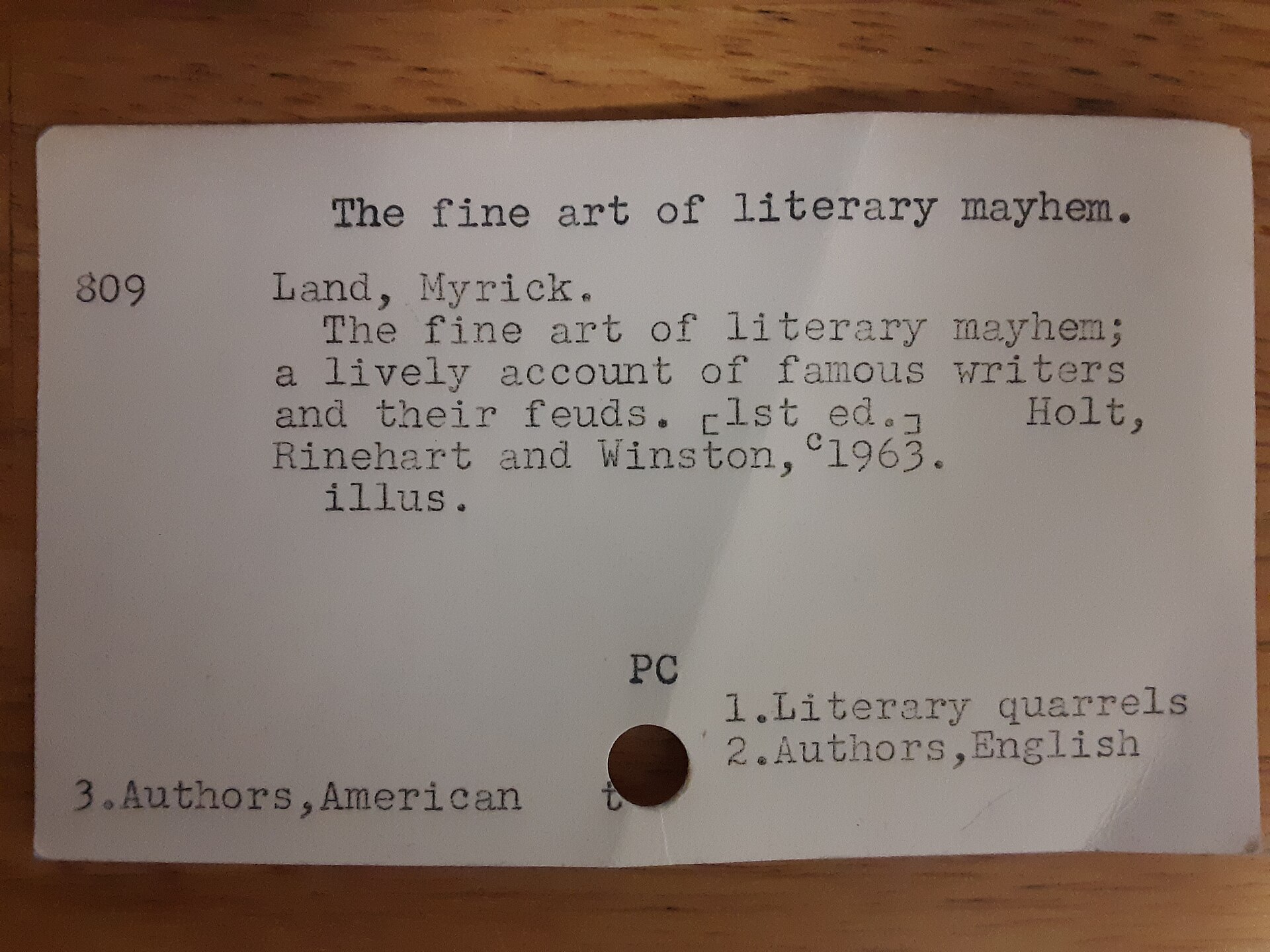
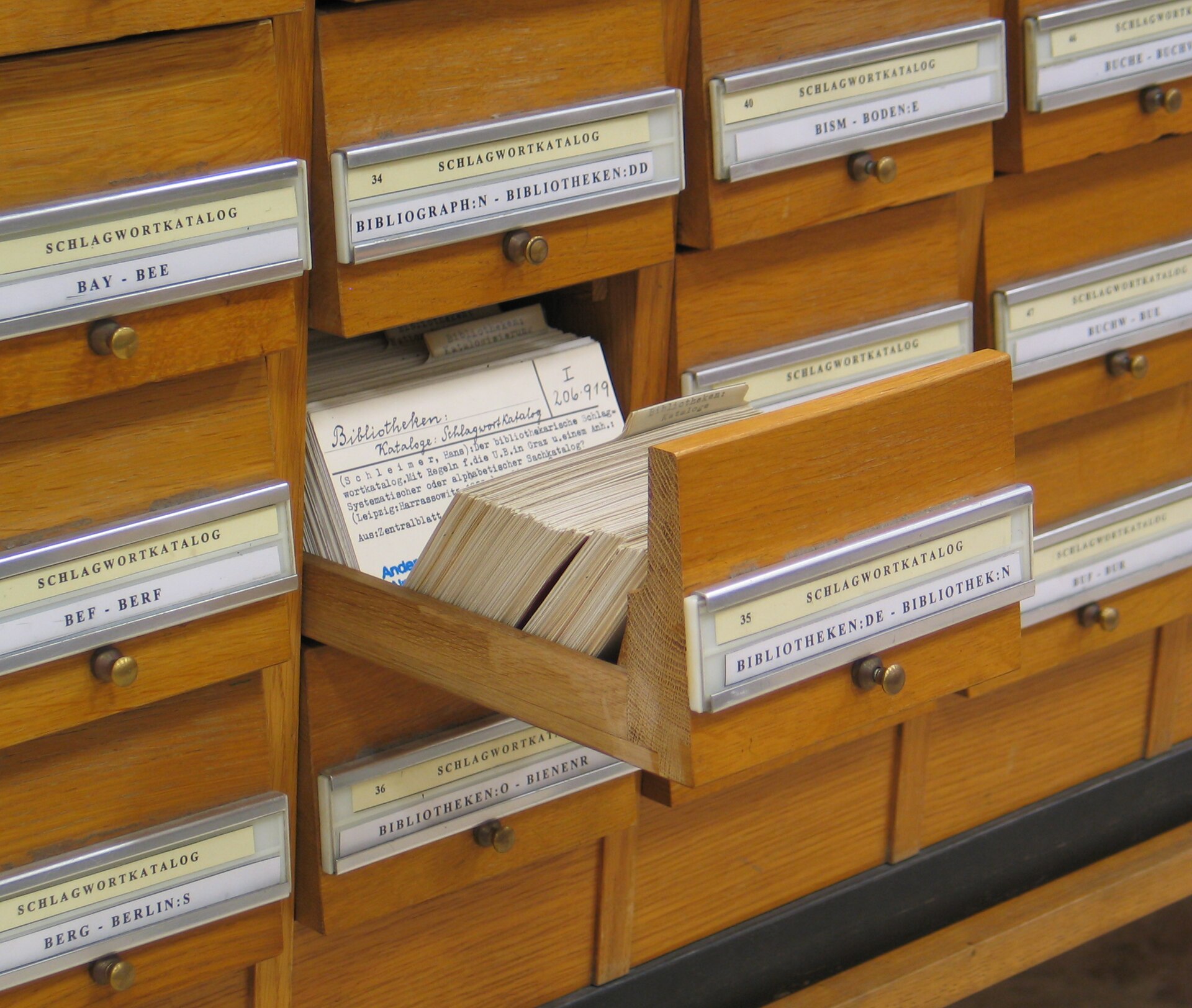
Modeled directly on physical library tracer slips with fixed punched rod coordinates.
When an idea takes a turn, file it at 21/3a1 instead of creating a new folder. Kasten automatically maintains the parent-child spine so you can read an entire cluster of debates from top to bottom.
Physical 148 × 105 mm cards prevented sprawling dumps. Kasten enforces the same 240-word ceiling on every permanent card so each slip remains a sharp, reusable unit of argument.
Full-text search returns noise once an archive passes five thousand notes. Kasten pairs instant search with a hand-curated keyword index that points only to the head card of each Folgezettel chain.
Every slip is stored as an ordinary .md file inside ~/Kasten/ with clean YAML metadata. Read your archive with grep, track revisions in Git, and never fear a cloud shutdown.
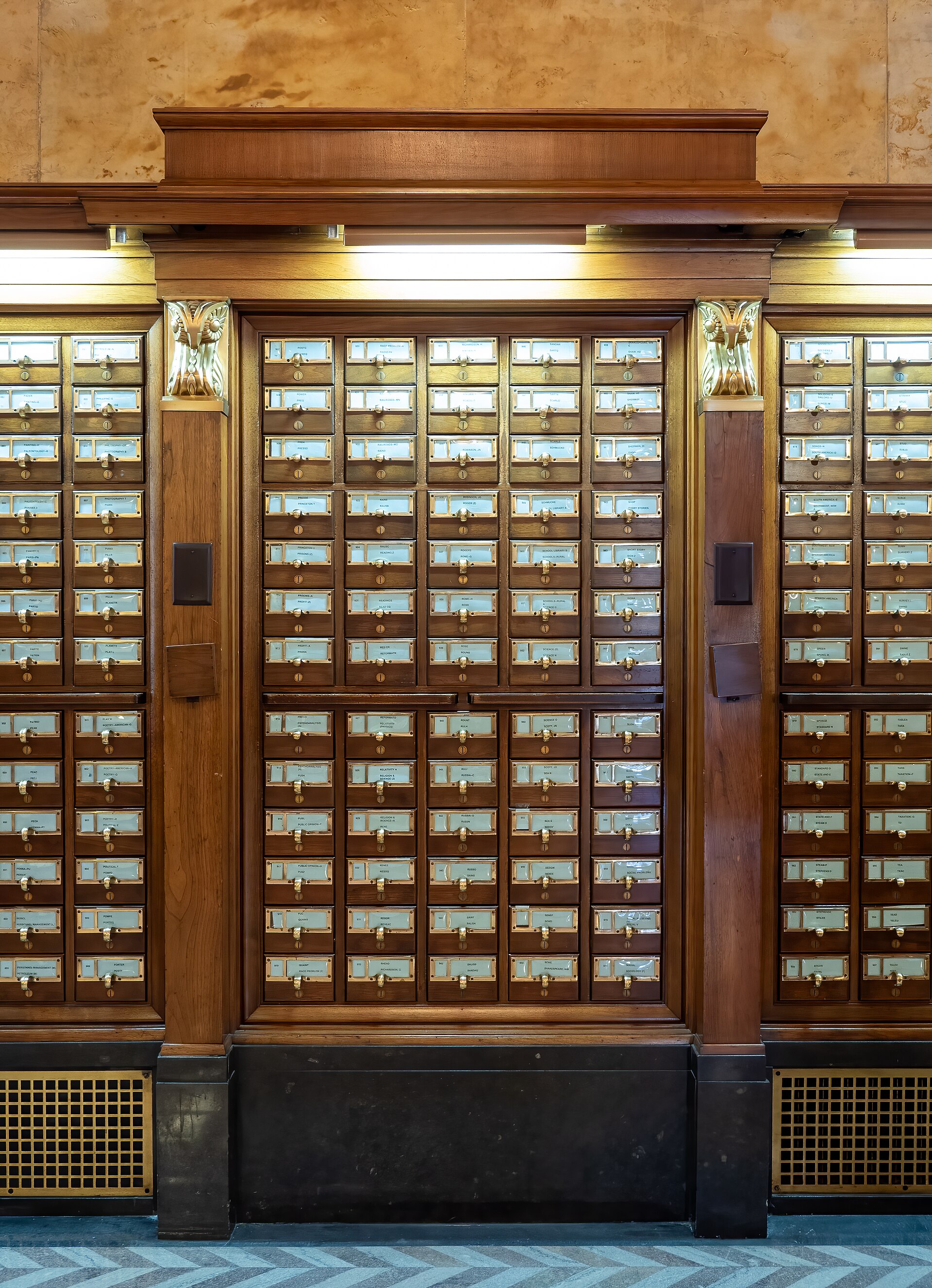
Between 1952 and 1997, Niklas Luhmann filed 90,000 handwritten index slips in Bielefeld and published 58 books. Kasten matches that exact archival scale on a modern laptop without lag.
Indexed in Luhmann's Bielefeld slip-box and benchmarked in Kasten's local engine.
Full Folgezettel backlink graph traversal across ninety thousand local Markdown files.
Maximum A6 card capacity that keeps every note atomic and combinable across chapters.
Monographs assembled directly from branching slip sequences using this method.
Full local plain-text slip-box for your first 500 permanent cards. Includes daily Flüchtige Notizen inbox, A6 word counter, and Folgezettel branching.
One-time purchase with no subscription. Unlimited permanent slips, Manuscript Desk concatenation with live BibTeX footnotes, Schlagwort Register matrix, and five years of native macOS, Linux, and Windows updates.
Mount your existing vault as an external read-only shelf inside Kasten. Rather than polluting your permanent slip-box with thousands of unedited web clippings, promote only the notes you actively rewrite and connect.
A folder forces you to decide where a thought belongs before you know what it will grow into. Folgezettel branching lets a single card on botany connect directly to a card on epistemology without moving either file.
Because every slip is an atomic UTF-8 file under 2 KB, Kasten works directly with Git, Syncthing, iCloud Drive, or our optional $2/month zero-knowledge encrypted relay.